

Little Learners
Early Childhood Program
(Age group 3-5)

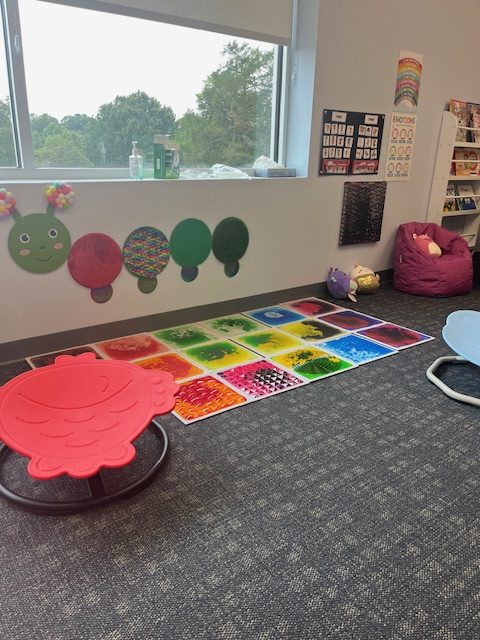
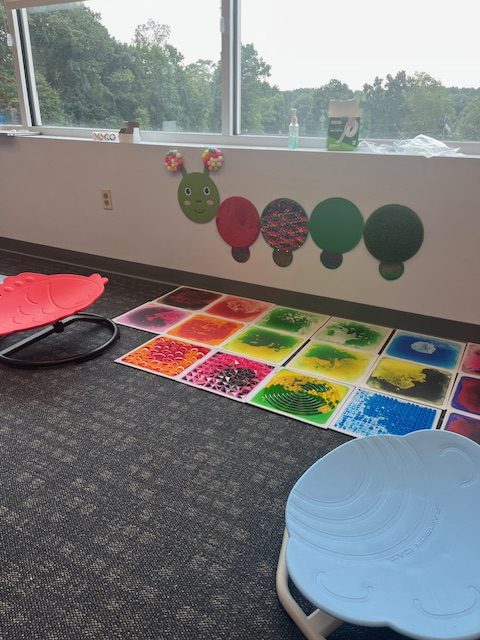
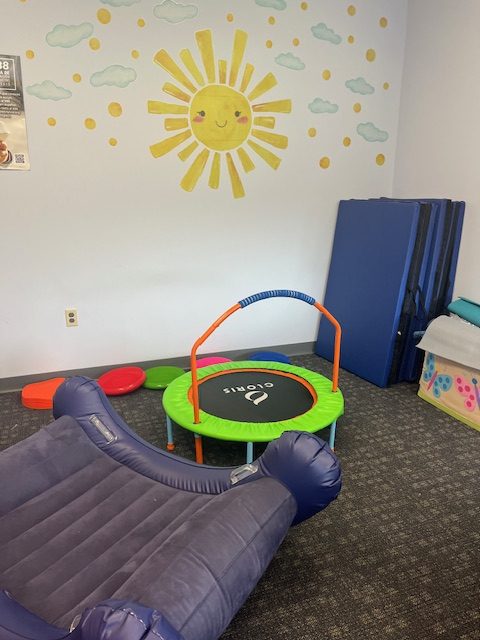
Little Learners is a structured, play-based ABA program which supports developmental milestones and foundational learning for preschool-aged children. Services are individualized and designed to increase readiness for structured learning environments such as Kindergarten.
Row Psychiatric Services is pleased to introduce the Little Learners ABA Program, an early childhood initiative designed for children ages 3–5. This program integrates individualized Applied Behavior Analysis (ABA) in a nurturing, play-based learning environment. The goal is to support foundational development in communication, behavior, social-emotional learning, and school readiness—helping each child build skills for lifelong success.
Program Goals
- Develop foundational communication and language skills.
- Promote positive behavior and reduce challenging behaviors.
- Increase reciprocal and cooperative play skills.
- Teach adaptive, social, and self-help skills.
- Prepare children for a successful transition into kindergarten or less restrictive environments.
Philosophy: “Play. Learn. Connect.”
Key Focus Areas:

PLAY: Social Interaction & Cooperative Play
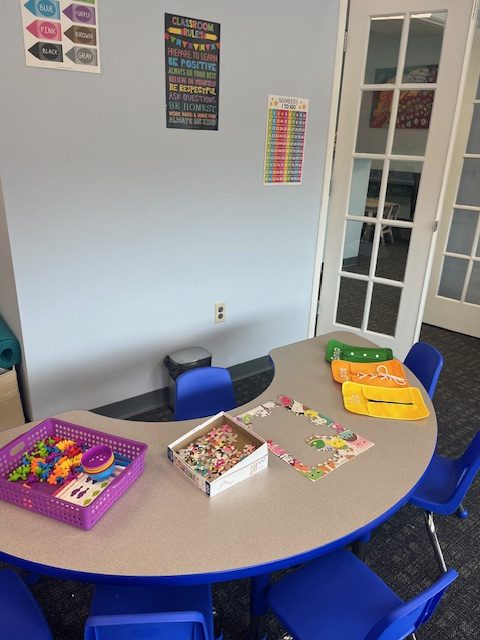
We use play-based ABA strategies to help children build essential social and emotional foundations.
- Learn how to share, take turns, and play cooperatively with others
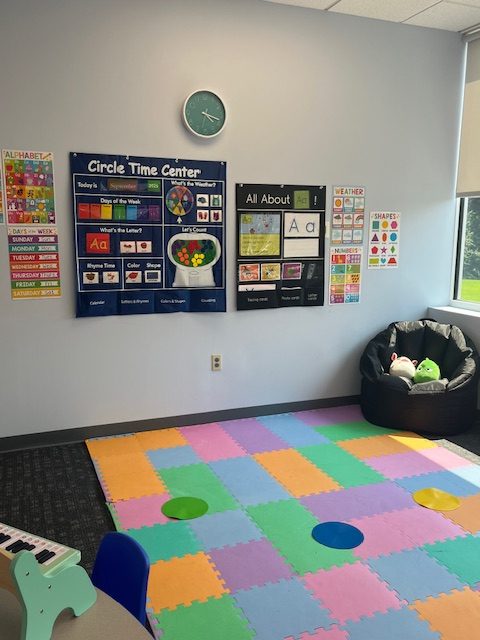
- Practice group participation through games, structured play, and circle time
- Develop joint attention, imitation, and peer interaction skills
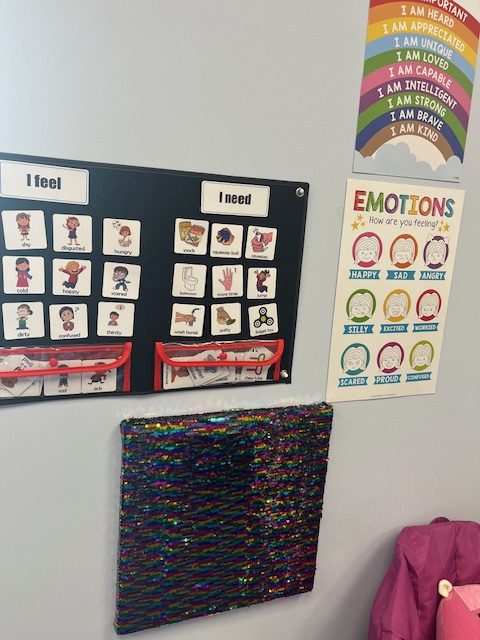
- Use visuals, modeling, and reinforcement to support positive interactions

LEARN: Communication, Self-Care and Pre-Academic Skills
Through fun, structured activities, we teach skills that support independence and school readiness.
- Build vocabulary, follow instructions, and engage in simple conversations
- Reduce frustration by replacing behavior with communication
- Use visuals and routines to build confidence and consistency
- Practice life skills that empower success at home and in school
- Sit, attend, and follow classroom routines
- Match, sort, and identify basic concepts (letters, numbers, colors)
- Strengthen fine motor skills (e.g., crayons, scissors, glue)

CONNECT: Emotional Regulation & Family Partnership
We support children and families in building emotional awareness and strong, supportive relationships.
- Recognize and label emotions
- Use calming strategies like deep breathing or asking for a break
- Learn cause and effect of emotional responses
- Replace meltdowns with appropriate emotional expression
- Parent coaching sessions
- Home-based strategies that align with clinical goals
- Progress sharing and goal-setting with caregivers
- Coordination with other providers (speech, OT, schools)






Admission Criteria:
- Ages 3 to 5 years old (pre-Kindergarten age)
- Formal diagnosis of Autism Spectrum Disorder (ASD) or a related developmental disorder.
- Additional behavioral health diagnoses may be considered if ABA is clinically indicated.
- Demonstrates delays in communication, social skills, or self-help abilities.
Admission is subject to available clinician capacity and successful completion of the intake assessment.
Exclusions:
- No formal diagnosis of ASD or related condition.
- Primary issues are not behavioral in nature.
- Active, untreated psychiatric conditions (e.g., psychosis, severe mood disorder).
- Severe, unstabilized medical conditions requiring non-ABA medical support.
- Unsafe or inaccessible treatment environments.
- Family refusal to participate in required caregiver training.
- Inability to obtain insurance authorization or funding, despite reasonable effort.
Schedule: 5 Days a Week
Families can choose from two structured half-day options:
- Morning Session: 9:00 AM – 12:00 PM
- Afternoon Session: 12:30 PM – 3:30 PM
- Daily parent communication log sent home after each session
- Weekly check-ins with the ABA Clinic Coordinator (in person or by phone)
- Monthly calendars will be sent to participating families to prepare for holiday closures or modified schedules.

Together, let’s empower children to embrace a positive mindset, build resiliency, and experience transformational growth.
Reach out today to speak to one of our experienced clinicians
Referral Information
Referrals will be considered from any interested agency or party including, but not limited to, inpatient units, outpatient programs, schools, county mental health clinics, private mental health practitioners, health professionals, patients and families.
If you would like to make a referral, please complete the referral form below and we will get back to you shortly.
If you have any questions, you may also reach out by phone to (610) 999-1908.
Your message has been sent
